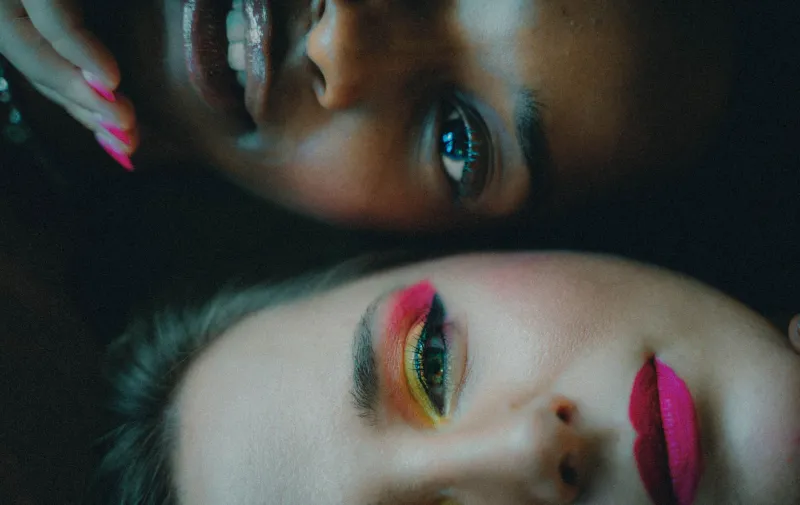
Read the Credits, Copy the Glam: 2026’s Album Booklets Are Your New Beauty Directory
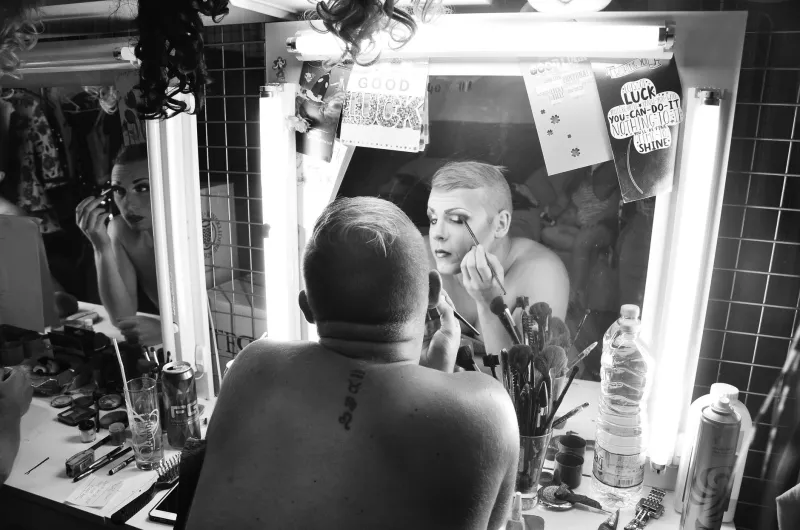
Album credits used to be where you thanked your mom, your lawyer, and the guy who brought bagels to the studio. In 2026, they are also where you find your next foundation. Across booklets, streaming credits, and the fine print on visualizer uploads, pop releases are quietly naming the glam teams behind the looks fans are already screenshotting. The result is a new kind of beauty directory: one built on receipts instead of algorithms.
For fans who want to know who actually did that, the credit scroll has become the most reliable influencer feed in the game. No affiliate link. No vague my favorite product right now. Just a name, a role, and sometimes a brand list tucked into the thank-yous.
Why the Credit Scroll Hits Different in 2026
Beauty recommendations have never been more abundant or more suspicious. Every feed is a storefront. Every tutorial has a code. That is why album credits feel almost radical. They are not optimized for conversion. They are paperwork. And paperwork, it turns out, is very persuasive.
In 2026, the credit block has become a place where artists and their teams signal taste. A makeup artist gets a line. A hair stylist gets a line. A nail artist, a skin-care specialist, a groomer, a tailor, a wig maker — all of it gets documented. Fans have learned that if a look is doing something specific, the person responsible is probably named somewhere. The hunt is part of the appeal. It is beauty fandom with a paper trail.
How to Read a Beauty Credit Block
Start with the obvious roles. Look for makeup by, hair by, nails by, grooming by, and skin care by. On streaming platforms, these details may be collapsed under a credits tab or tucked into the album’s digital booklet. On physical editions, they are often in the back pages, set in type so small you need to tilt the booklet toward the light.
Then read the thank-yous. That is where product hints tend to hide. A makeup artist might thank a brand for the glow, a hairstylist might mention a texture spray, a nail artist might shout out a specific powder or lamp. You will also see role descriptions that sound like job titles from a movie set: creative direction, visual glam, additional makeup, nail lead. Those credits are clues. They tell you who shaped the overall look and who executed the details.
Finally, cross-check the visual. If a credit names a makeup artist and the look features a very specific glossy lid or a blurred lip, search that artist’s portfolio. You are not looking for a sponsored breakdown. You are looking for patterns. The same pro might use the same base, the same brush, or the same finishing trick across multiple clients. That is how a credit block turns into a shopping list.
Breakout Names and Products Getting Name-Checked
The 2026 credit-scroll wave has been good for artists who used to work just outside the spotlight. A Minneapolis makeup artist who specializes in skin-like bases gets name-checked on a major pop visual and suddenly has a waitlist. A Los Angeles hair stylist known for airy, brushed-out waves shows up in three different album booklets in one season. A nail artist whose tiny symbols keep popping up in cover-art close-ups becomes a fan account favorite.
The products getting name-checked tend to be specific but not always expensive. A drugstore lip liner. A sheer tinted moisturizer. A cult Japanese lash serum. A salon-brand bond builder. A drugstore cream blush that keeps showing up in thank-yous because it photographs well under flash. Fans are not copying full routines. They are copying single moves: the way a brow is brushed up, the way a gloss is tapped on, the way a nail is left bare except for one tiny mark.
That is the difference between a sponsored haul and a credit-block find. The credit block does not promise a transformation. It gives you a starting point and a name to search. The rest is your own detective work.
The Receipts Beat the Algorithm
There is a reason fans are treating liner notes like a group chat assignment. The credit scroll feels neutral. It is not trying to sell you a lifestyle. It is trying to document a project. That makes the beauty details feel more trustworthy, even when the artist is ultimately promoting a brand. You are not being pitched. You are being pointed toward a professional whose work you already admire.
It also gives fans a way to support the people behind the scenes. Following a makeup artist or nail tech is a small act of fandom that extends beyond the artist on the cover. You get process videos, kit tours, and the occasional product mention without the feeling that you have wandered into a QVC segment. The credit scroll is the new influencer feed because it is slower, more specific, and easier to fact-check.
Build Your Own Liner-Note Shopping List
You do not need a physical booklet to play along. Open the digital credits. Screenshot the glam team. Search their names. Look for the same two or three products in their recent work. Then ask yourself what you actually want to copy: the finish, the shape, the texture, or the color. A credit block can tell you who made the look, but it cannot tell you what will work on your face, your hair, or your budget.
Treat it like a recommendation from a friend who happens to work backstage. Take the useful part. Leave the rest. And keep an eye on the fine print. In 2026, the best beauty tip might not arrive in a video. It might arrive in paragraph six of the album credits, right after the bass player and right before the catering thank-you.