The Bathroom Is the New Stage: How GRWM Became Pop’s Most Profitable Intimacy
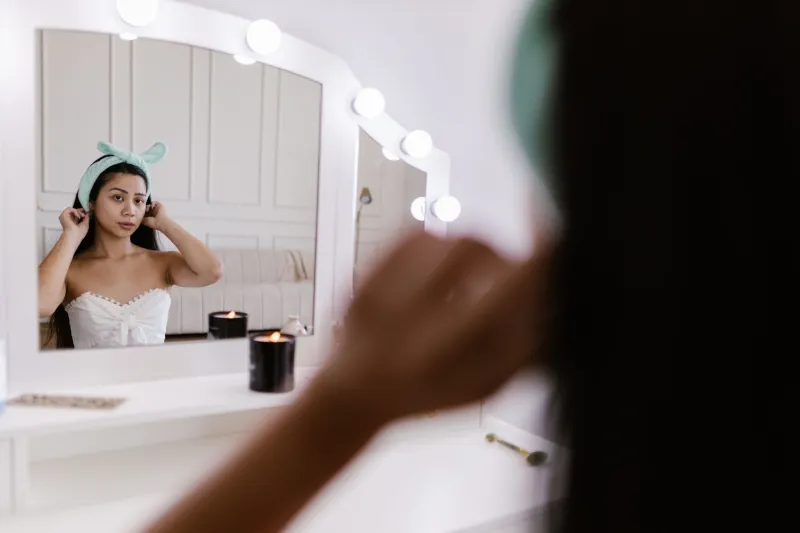
The most profitable stage in pop right now might be a bathroom. In 2026, the get-ready-with-me video has become a full business model: a celebrity leans into a ring light, pats something expensive into her cheek, and says, ‘I’m just getting ready.’ The comment section calls it relatable. The brand deal calls it inventory.
The bathroom as box office
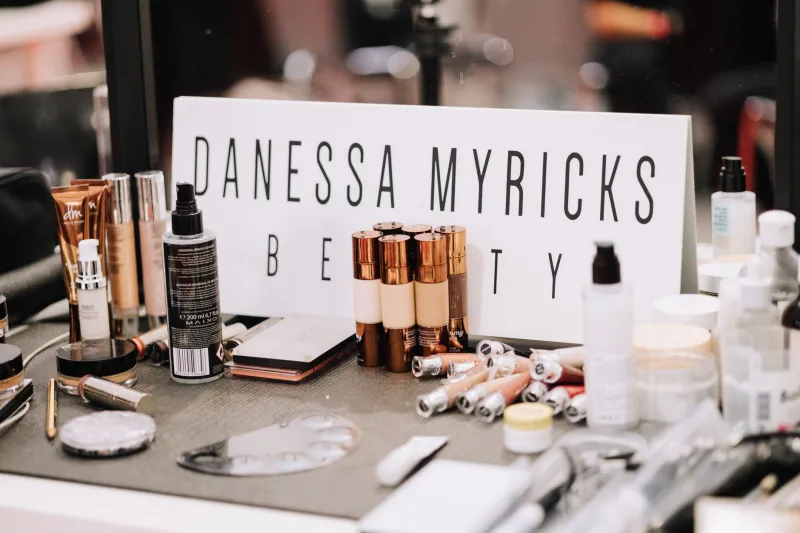
A GRWM is a press tour, a beauty ad, and a parasocial check-in stacked into one vertical video. It costs less than a late-night appearance and travels farther. The bathroom is the perfect set because it signals privacy while being lit like a studio. The marble counter is a billboard. The product shelf is a sponsorship deck. The ‘I woke up like this’ energy is a costume that took two hours and a lighting rig.
This isn’t a scandal. It’s a format. And in 2026, it’s one of the few places where a celebrity can promote a movie, a single, a tour, and a skincare line without seeming like they’re doing a press tour at all. The audience gets access. The brand gets impressions. The celebrity gets to seem off-duty while being extremely on.
Why the format keeps us watching
Young urban audiences keep watching because routines are soothing. A GRWM is the modern version of reading a magazine at the salon: low-stakes, aspirational, and just intimate enough to feel like company. We watch because beauty is expensive and we want the receipt. We watch because the bathroom is the one room where celebrities seem like they might be real people with bad hairlines and opinions about concealer.
That’s the trade. The format borrows trust from the mundane. A red-carpet interview is performance. A bathroom video promises the opposite: no publicist, no cue cards, just a person and a pump bottle. Even when we know it’s curated, the setting does a lot of emotional labor.
The authenticity tax
Here’s where it breaks down: when every object on the counter has a link, when the ‘favorite’ product changes with the sponsor, when the routine is clearly a script with a cleansing balm. The audience isn’t stupid. We can smell a paid placement from the first pump. The intimacy starts to feel like a toll road.
The celebrities who do it well show the boring parts: the product they returned, the shade that didn’t work, the step they skip when they’re tired. The ones who don’t are just doing a QVC hour with better lighting. The difference isn’t budget. It’s whether the video has any stakes beyond the sponsor’s talking points.
The 2026 launches worth the follow
Not all celebrity beauty in 2026 is noise. The launches worth following share a few traits: a real ingredient list, a shade range that isn’t an afterthought, a texture that survives a full day, and a founder who can talk about the formula without reading from a card. Those are the brands that will still be on the shelf after the press cycle ends.
The ones to skip are easier to spot than ever: the $48 lip oil that’s a repackaged gloss, the ‘clean’ line with no preservatives and a three-week shelf life, the brand that launches with a campaign before it has a return policy. Follow the launches that show the lab, the testing, and the fails. Skip the ones that show only the marble counter.
The bottom line
GRWM isn’t going away. It’s too cheap to make and too effective at selling. The smart move isn’t to stop watching. It’s to watch like an editor: take the routine, leave the rider. The bathroom can be a box office. Just don’t confuse the ticket with the performance.