Eight Shows a Week, Zero Touch-Ups: Inside the Swing Performer’s Makeup Math

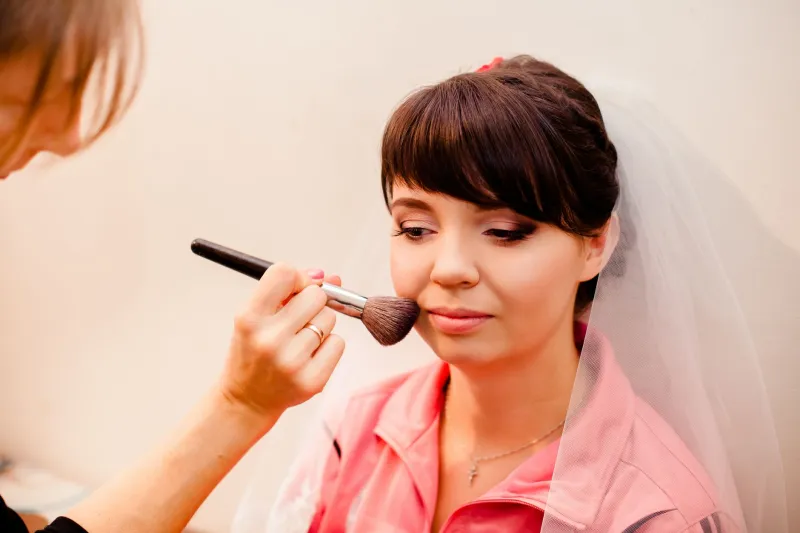
Photo: FlordelizaGomez, CC BY-SA 4.0, via Wikimedia Commons
Broadway’s swing and understudy economy has become a bigger cultural talking point in 2026, and not just because theater fans love a backstage plot twist. The performers who cover multiple roles — often with hours of notice, sometimes mid-show — have become unlikely beauty influencers. Their makeup has to survive eight shows a week, lightning-fast costume changes, hot stage lights, and the kind of high-definition curtain-call footage that makes every pore a main character.
That is a very different brief from a red-carpet look. It is closer to what a lot of young urban readers actually need: makeup that holds up through a long day, a crowded commute, a sweaty night out, and a phone camera that is always rolling. The swing-performer approach is less fantasy, more field-tested product intelligence. And the best part? Most of it is affordable.
The Swing Brain Is a Beauty Strategy
A swing performer does not build a look around one character. They build it around a system. That distinction matters. Instead of asking, ‘What does this role need?’ they ask, ‘What survives if I have to become three roles in one night?’
The answer tends to be makeup with a strong base, flexible color, and very few moving parts. Think cream products that blend with fingers, lip stains that leave a tint behind, and waterproof eye formulas that do not require a touch-up station. The goal is not a painted-on mask. It is a face that can be adjusted quickly without starting over.
That is a useful mindset for anyone who has ever done their makeup on a train and then needed it to last through dinner. Build for the change, not just the photo.
What Eight Shows a Week Actually Does to a Face
Stage makeup gets a reputation for being heavy, but the swing performers who last are usually the ones who prioritize texture over coverage. Heavy foundation can look flat under stage lighting and break down faster under sweat. A medium-coverage, sweat-resistant base with targeted concealer often holds better — and it is easier to patch during a quick change.
Powder is not the enemy, either. A light dusting through the T-zone can keep shine from reading as exhaustion under bright lights. The trick is to press, not sweep, and to keep the powder fine enough that it does not turn into visible texture on camera. Curtain-call footage is unforgiving in the same way a front-facing phone camera is: it catches flashback, settling, and any mascara that has decided to migrate.
That is why many stage performers treat eye makeup as infrastructure. Waterproof mascara, a smudge-resistant liner, and a brow product that stays put are not extras. They are the difference between looking polished and looking like you just finished a shift.
The Quick-Change Kit: Fewer Products, Better Placement
The most copyable lesson from Broadway’s swings is not a specific product. It is placement. When you have two minutes to change, you cannot redo your whole face. You can add a flush to the cheeks, tap color onto the lips, and refresh the center of the face. That is it.
A cream blush that doubles as a lip color is the classic move. A lip stain that can be layered under balm is another. A concealer that matches the neck, not just the face, makes quick touch-ups less obvious. And a setting spray that does not turn shiny halfway through the night is worth more than three products that need babysitting.
This is also where affordable beauty gets interesting. The swing-performer logic favors formulas that are easy to reapply and hard to mess up. A drugstore lip stain, a buildable cream blush, and a waterproof mascara can do more for a long day than a full luxury routine that requires precision. The point is not to look like you are wearing stage makeup. The point is to look like your makeup is still working for you at hour ten.
Lighting Is the Real Co-Star
Stage lighting is brutal in a very specific way: it flattens contour, amplifies shine, and can make warm colors turn orange. Swing performers learn to test their makeup under the same conditions they will perform in — or as close as they can get. For everyday life, that means checking your look in daylight, in bathroom lighting, and on your phone camera before you leave the house.
A blush that looks subtle in your bedroom mirror can look like a fever dream in direct sun. A foundation that matches in warm light can look chalky in cool office lighting. The fix is not more makeup. It is better testing. Take a photo. Step outside. Look at your face from an arm’s length away. If the color story still makes sense, you are probably fine.
That is a very swing-performer way to think: rehearse the look before it has to perform.
The Affordable Syllabus
If you want to steal the understudy approach without buying a theatrical kit, start with five things. A sweat-resistant base. A fine translucent powder. A waterproof mascara. A cream blush that can double as lip color. A setting spray that keeps shine in check without making your face feel tight.
Then practice the quick-change logic at home. Do your makeup, wait four hours, and see what has survived. Add only what you actually missed. Most people discover they do not need a full redo. They need one targeted product and a lighter hand.
That is the quiet appeal of the swing-performer beauty syllabus in 2026. It is not about looking dramatic. It is about looking prepared. And in a year when backstage labor and understudy culture are finally getting the spotlight, that feels like the right kind of beauty headliner: practical, resilient, and a little bit brilliant.