The Blurry Photo Beauty Test: Why 2026’s Candid Shots Are Doing More Than the Red Carpet
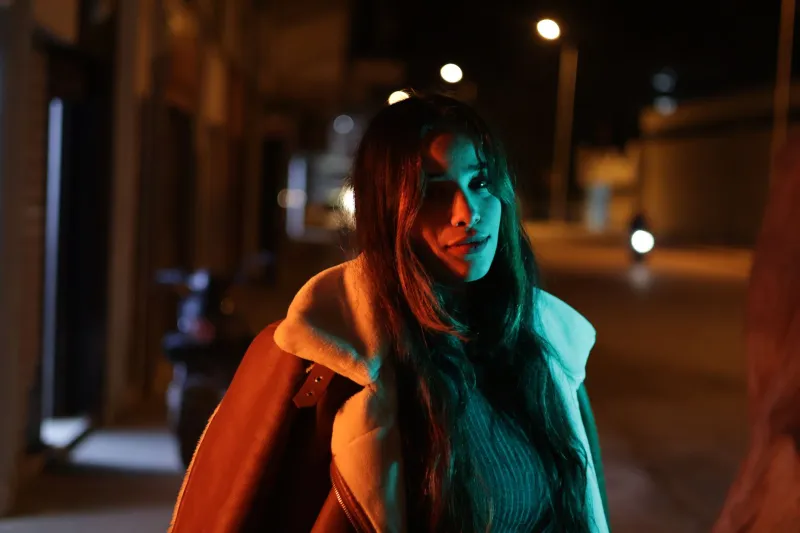
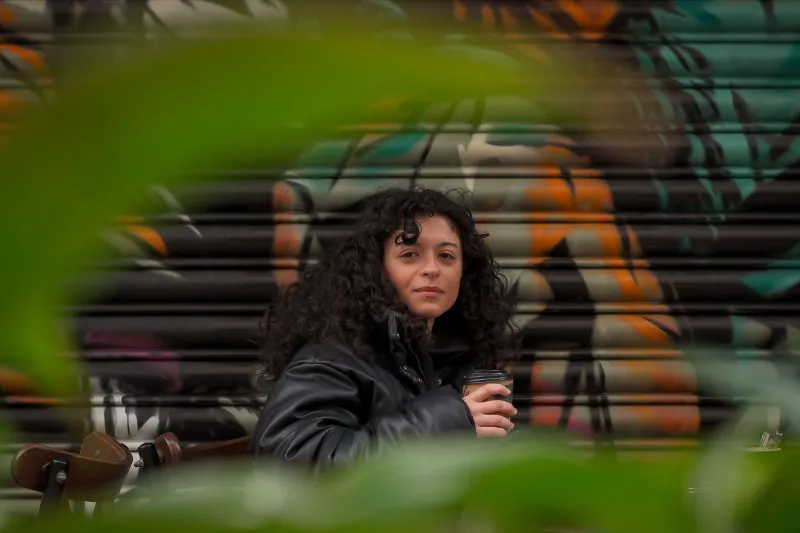
On a red carpet, a beauty look gets about four seconds and a runway of controlled lighting. In a paparazzi shot, it gets a flash, a bad angle, a half-second of surprise, and a fan-cam zoom that will be screenshotted before the celebrity reaches the car. That’s why 2026’s most convincing beauty moments don’t feel like cover shoots at all. They feel like evidence—proof that the look holds up when nobody is directing it.
The Candid Look Is a Stress Test
Call it the blurry-photo beauty test: if a look can survive a grainy iPhone zoom and still read as intentional, it’s doing something right. The 2026 version of getting ready is less about painting on a full face and more about building a few high-contrast moves that survive motion, sweat, and terrible lighting. It’s the “I woke up like this” aesthetic with a backstage brain—soft skin, visible color, brushed-up brows, and a lip that looks stained rather than applied.
That’s also why the paparazzi beauty conversation has shifted. Fans aren’t just asking who did the makeup; they’re asking what it says about the routine. A candid shot of someone leaving a studio in a tinted SPF, a slept-in braid, and a single swipe of cream blush tells a different story than a full glam reveal. It says the look is portable. It says the vanity is not a stage set.
What the Blurry Shots Actually Reveal
When you zoom into the good candids—not the cruel ones—a pattern shows up. The skin is usually slightly dewy, not matte. The cheeks have a wash of color that sits low and close to the face. The brows are brushed up but not carved. The lips are often a stain or a balm, not a crisp line. Hair has movement, which means it has product but not too much. And the nails, when you can see them, are usually one clean color rather than a full nail-art situation.
None of this is accidental. It’s a formula built for real life: skin that looks like skin, color that reads from a distance, and structure that keeps the face from disappearing in a flash photo. If you want the candid effect, stop thinking about a full beat and start thinking about three things that will still show up when the camera catches you mid-sentence.
The Three-Part Formula: Skin, Stain, Structure
Skin is the base, but not in a heavy way. A tinted sunscreen or a sheer skin tint gives you enough coverage to even things out without looking like you tried. Add cream blush while the skin is still a little tacky, then set only where you actually need it—around the nose, maybe the chin, maybe the forehead. Leave the cheeks and the high points alone so the light has something to catch.
Stain is the shortcut. A lip stain used on the lips and tapped onto the cheeks creates the kind of monochrome look that photographs well in motion. It’s also forgiving. If it fades, it fades like a memory instead of a patch. Berry, brick, and soft red are the easiest US-friendly shades because they work across skin tones and don’t require a mirror to reapply.
Structure is the difference between “no makeup” and “no makeup but intentional.” Clear brow gel brushed upward, a tightline along the upper lashes, and one coat of mascara do more for a candid face than a full eyeshadow look. If you want a little extra, a cream shadow stick smudged along the lash line gives you depth without looking like you sat at a vanity for an hour.
Product Picks That Look Better in Motion
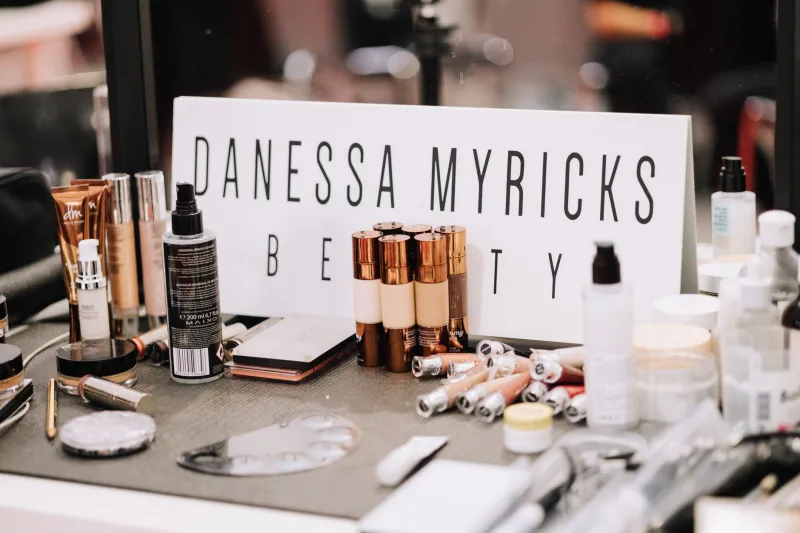
You don’t need a glam squad to get the vibe. You need products that behave. A tinted SPF with a satin finish is the backbone. A cream blush stick in a warm rose or terracotta is the color. A lip stain in a close-enough shade is the tie-together. Clear brow gel is the polish. A cream shadow stick in taupe or bronze is the quiet drama. A setting spray is the insurance. Blotting papers are the emergency brake. And a tiny hair oil or texturizing spray is the difference between “windblown” and “unfinished.”
The key is to shop your own routine first. If you already have a cream blush you love, use it on the lips with a balm on top. If you have a brown pencil, smudge it into the lash line instead of buying a new palette. The candid look is not a shopping list; it’s an edit.
How to Practice a Candid Face Without Being Weird About It
The uncomfortable truth is that most of us have a “camera face” that we don’t even notice we’re making. To find your candid look, take photos in motion. Use the back camera, turn the flash on, and move your head like you’re laughing at something someone said. Don’t pose. Don’t check the screen between shots. Then look at the ones where you look like a person. That’s the face your beauty routine needs to support.
You can also check your look in a window reflection on the way out the door. That’s closer to how the world sees you than a ring light ever will be. If the color reads, the skin looks alive, and the brows are doing something, you’re good. If not, add one thing—not five.
The Takeaway
2026’s candid beauty moment isn’t about looking undone. It’s about building a look that can survive real life and still look like it happened naturally. The camera will catch you. The goal is to make sure it catches something worth screenshotting—not because you planned it, but because your routine was ready for it.